The agarwood price in the Philippines can vary dramatically depending on the quality, resin content, species, origin, and form of the material being sold. Agarwood, locally associated with lapnisan and produced by certain Aquilaria trees, is considered one of the world’s most valuable aromatic forest products.
There is no single fixed price for agarwood in the Philippines. Different grades and types of material can command very different prices, and published figures should be treated as indicative rather than as a guaranteed market price.
How Much Is Agarwood Per Kilogram in the Philippines?
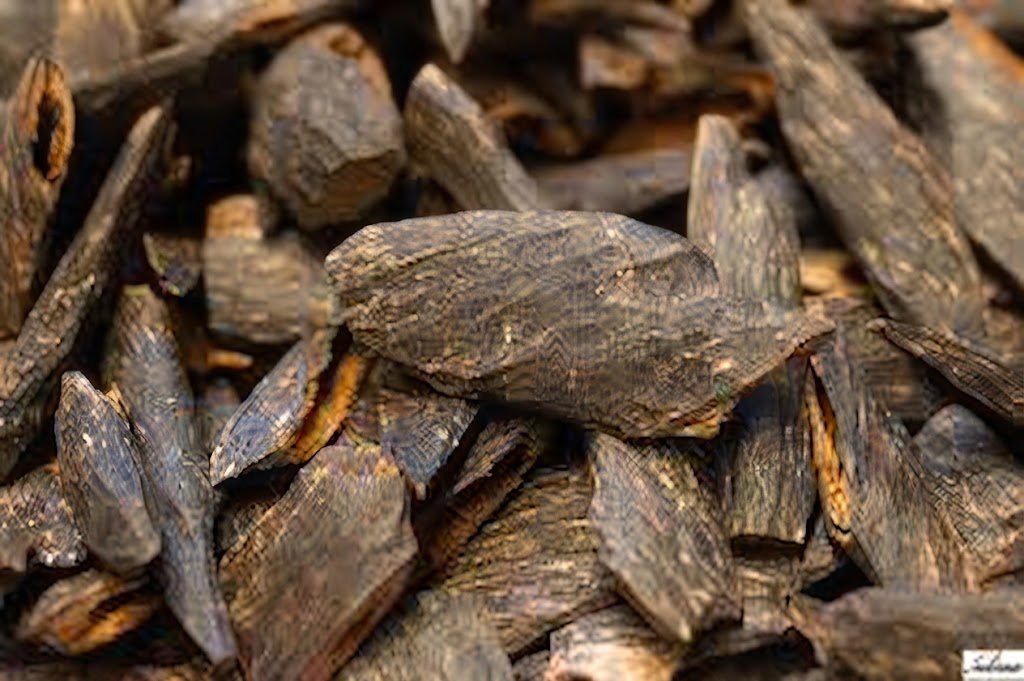
Historical Philippine trade research found asking prices for agarwood pieces ranging from approximately PHP 40,000 to PHP 300,000 per kilogram in online domestic advertisements recorded between June 2021 and February 2022. The same research noted projected agarwood selling prices of approximately PHP 25,000 to PHP 500,000 per kilogram in some investment-related advertisements.
Other Philippine sources report considerably higher values for premium or first-class material. The Philippine News Agency reported that first-class agarwood was traded at around PHP 750,000 per kilogram in the country. In 2025, the Bureau of Customs also reported an intercepted one-kilogram shipment valued at PHP 750,000. This was an enforcement valuation, however, and should not be interpreted as an official national market price.
More recent reporting has cited premium agarwood prices reaching PHP 1 million per kilogram or more, demonstrating how widely prices can differ according to quality and market circumstances.
Why Is Agarwood So Expensive?
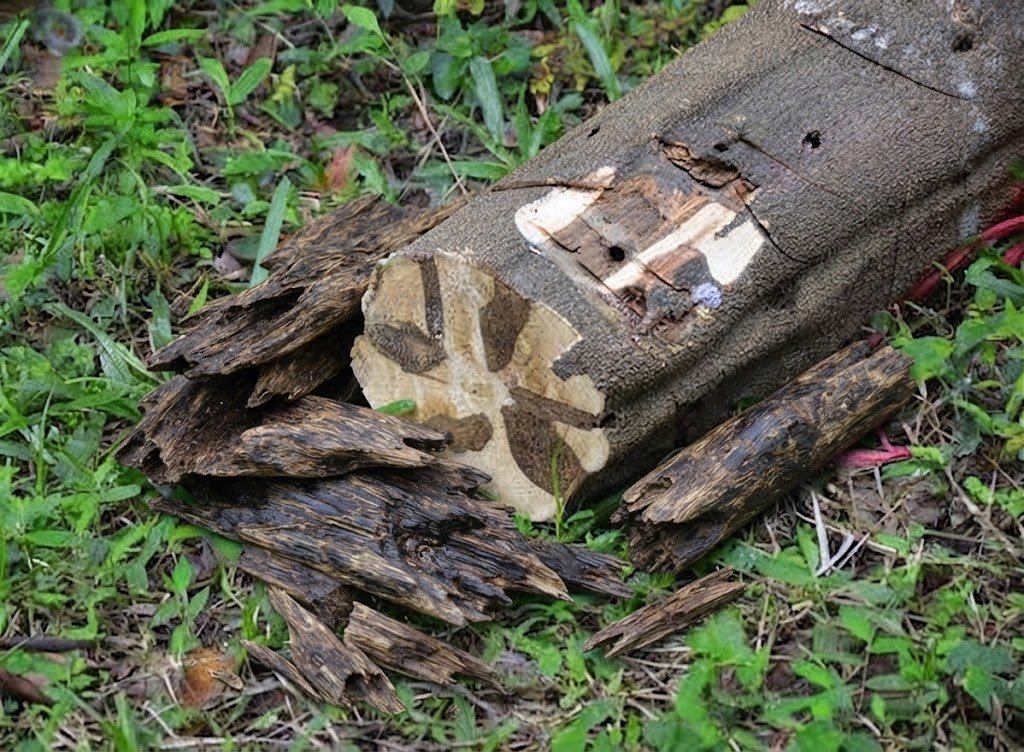
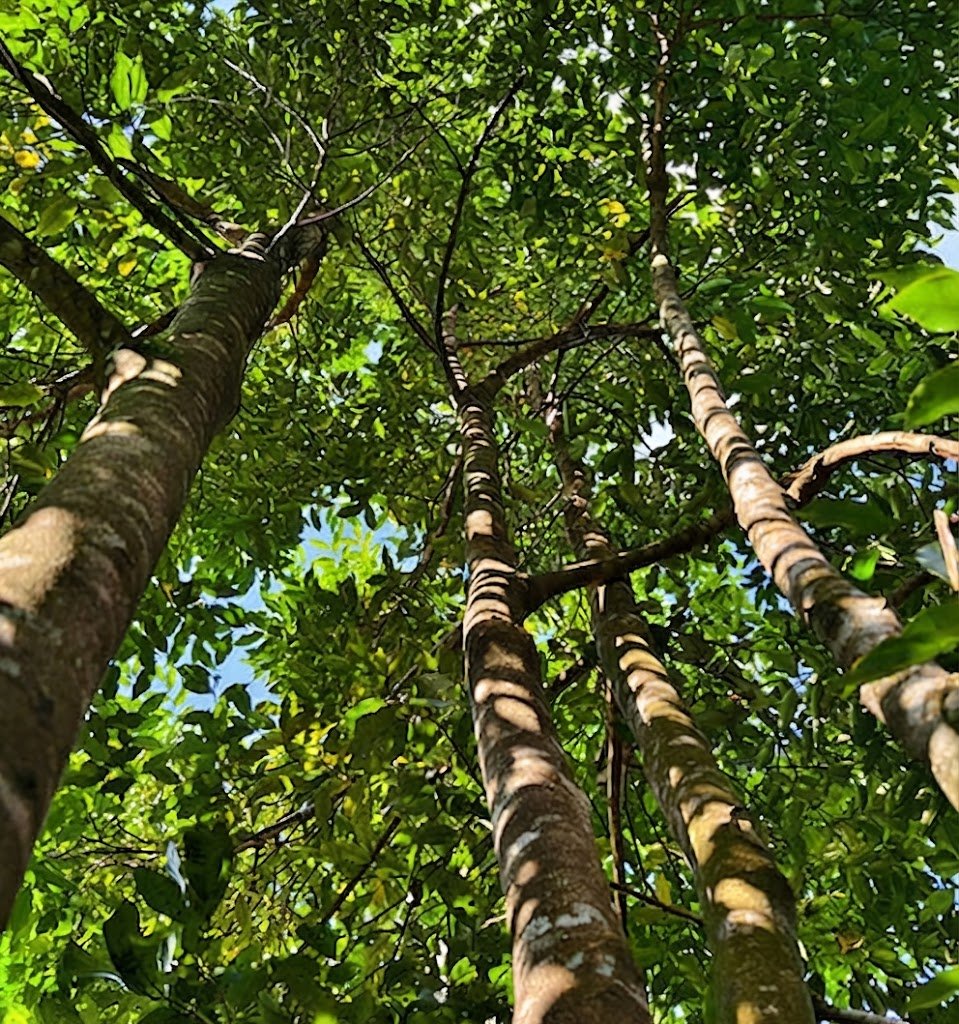
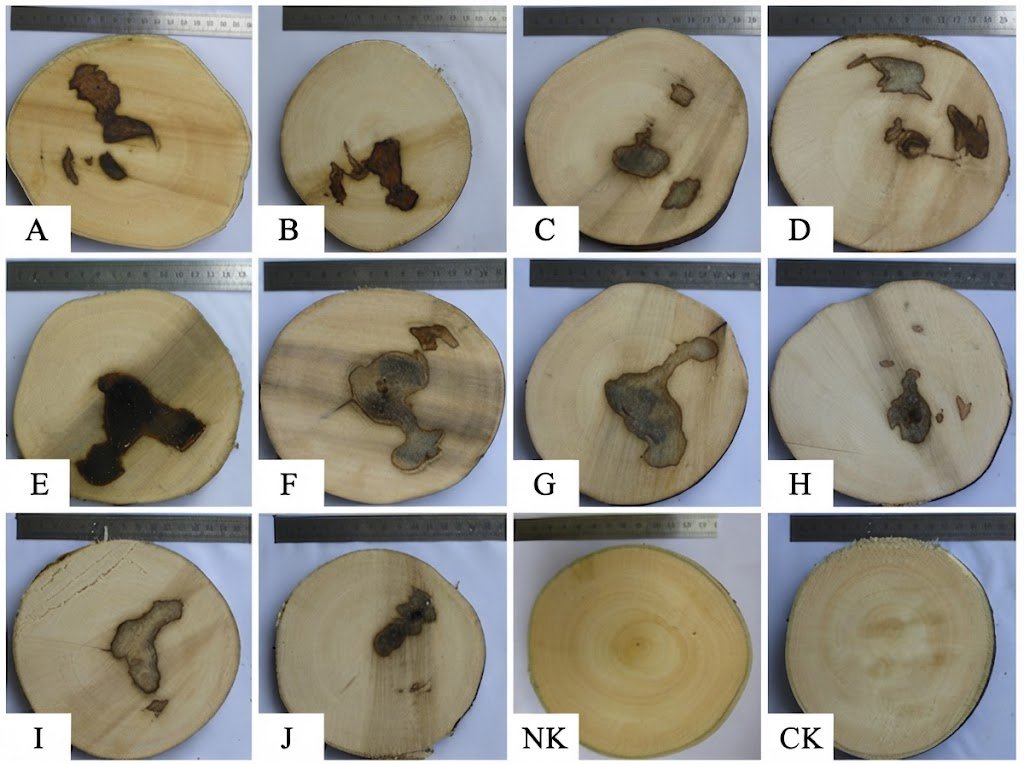
Agarwood is expensive because valuable resinous wood is relatively rare. The fragrant material develops inside certain Aquilaria trees after the tree undergoes biological stress, such as injury and infection.
A healthy Aquilaria tree does not necessarily contain valuable agarwood. Resin formation is unpredictable, and the amount and quality of resin can vary considerably between individual trees.
This scarcity, combined with demand from perfume, incense, and fragrance markets, contributes to agarwood’s high value.
What Determines Agarwood Price?
Several factors can influence the agarwood price in the Philippines.
Resin content is one of the most important factors. Wood containing more concentrated, high-quality resin is generally more valuable than lightly resinous wood.
Fragrance quality also matters. Agarwood is valued primarily for its distinctive aroma, and different pieces can have significantly different fragrance characteristics.
Grade and appearance can influence price as well. Darker, denser, highly resinous material may command higher prices than lower-grade wood.
Species and origin can also affect market value. Aquilaria malaccensis, commonly associated with lapnisan in the Philippines, is an important agarwood-producing species.
Finally, legal documentation and provenance are increasingly important. Buyers and sellers should be able to establish where regulated Aquilaria material came from and whether the applicable permits and documentation are in order.
Agarwood Uses in the Philippines and Around the World
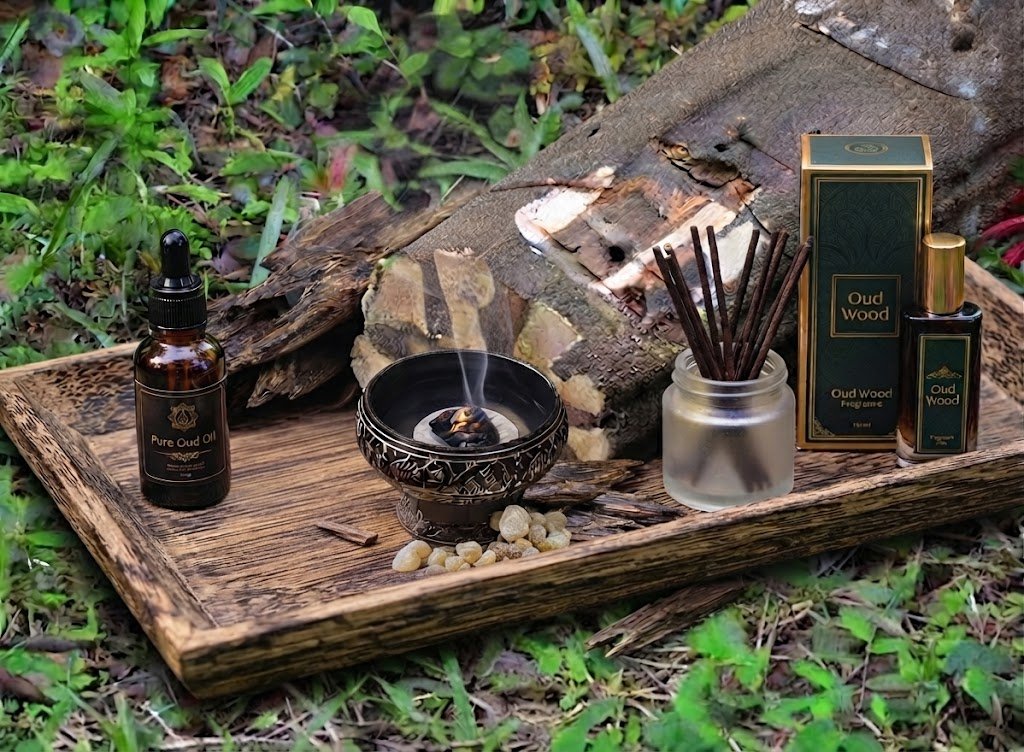
Agarwood is valued primarily because of its fragrance. It is used to produce incense, perfumes, aromatic oils, and other fragrance products. It has also been used for small carvings and traditional cultural purposes.
Its long history of use across Asia and the Middle East has created continued demand for high-quality resinous wood.
Frequently Asked Questions About Agarwood Price in Philippines
How much is agarwood per kilogram in the Philippines?
Published Philippine sources have reported prices ranging from around PHP 40,000 to PHP 300,000 per kilogram for agarwood pieces, while premium and first-class material has been reported at substantially higher prices.
How much is first-class agarwood in the Philippines?
A Philippine News Agency report cited PHP 750,000 per kilogram for first-class agarwood. Actual prices can vary depending on the specific material and transaction.
Why does agarwood have different prices?
Price depends on resin content, fragrance, grade, species, origin, condition, processing, documentation, and market demand.
Is PHP 750,000 the standard agarwood price?
No. PHP 750,000 should not be considered a fixed national price. It has been reported for first-class material and in a specific Bureau of Customs valuation, while other published Philippine prices are considerably lower or higher.
Is agarwood expensive because it is rare?
Yes. Valuable resinous agarwood is not present in every Aquilaria tree, making high-quality material relatively scarce. High demand for its fragrance also contributes to its value.
Hi, I'm Ronnel
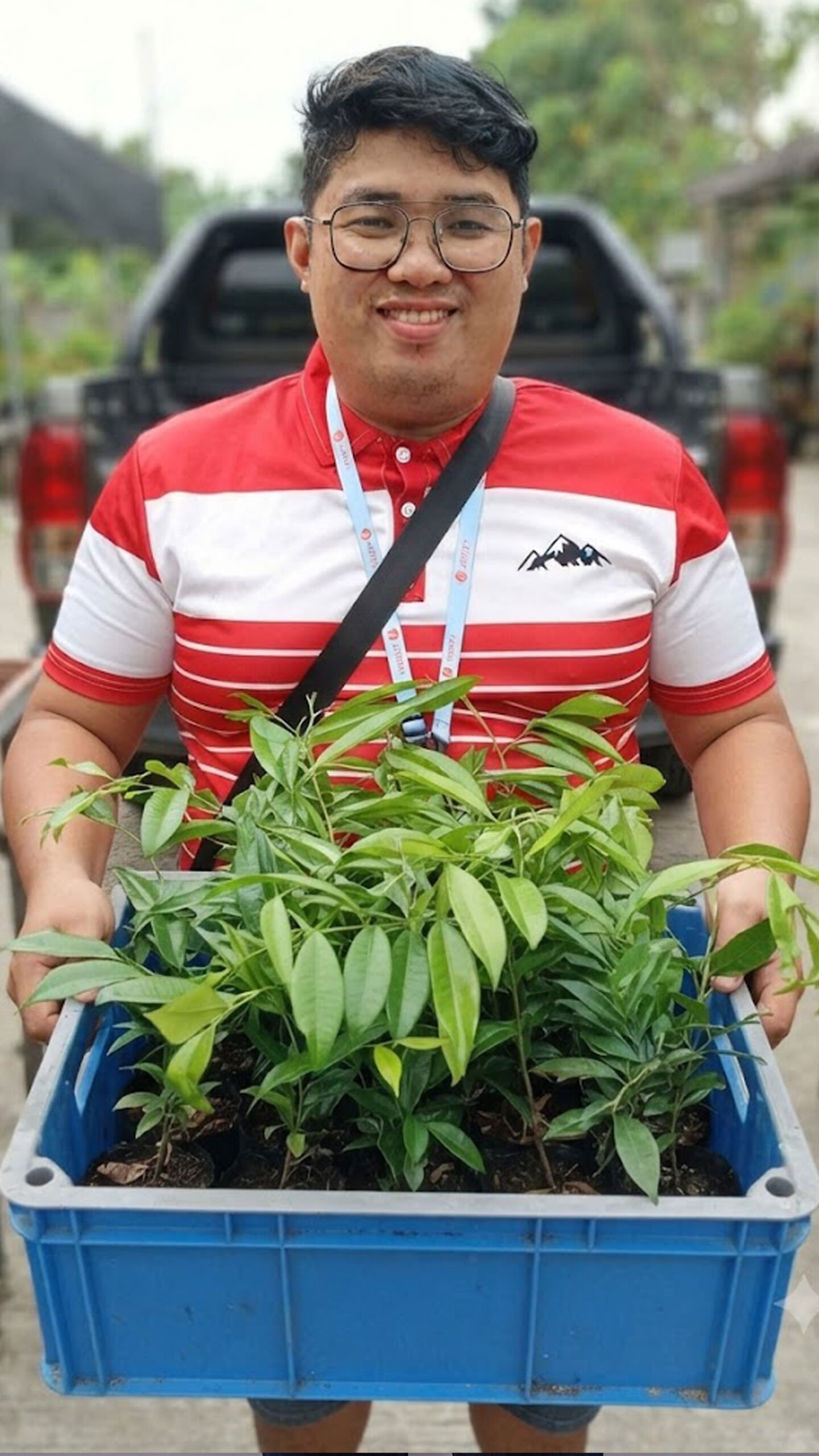
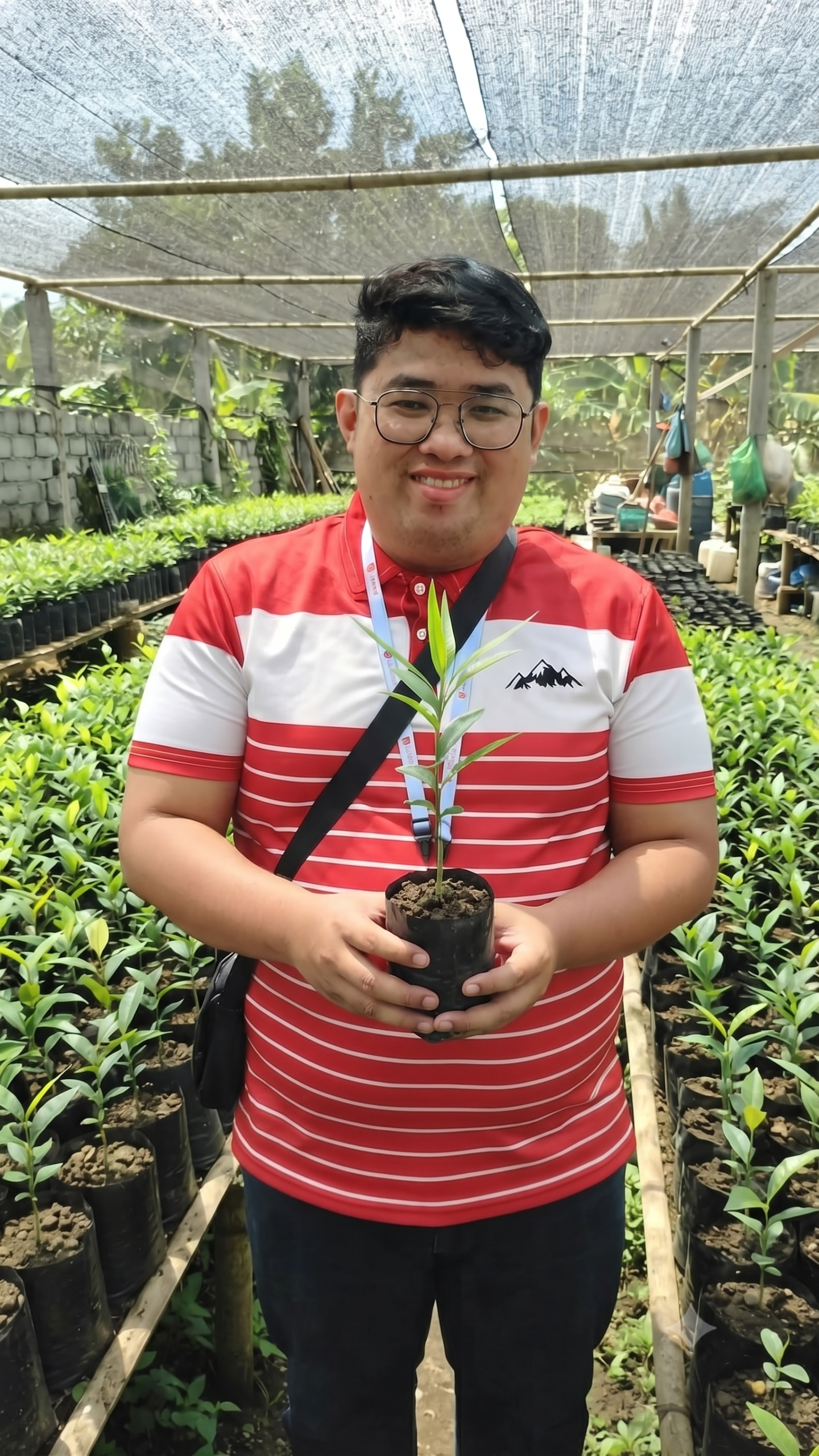
I’m passionate about helping Filipinos build a profitable future through Lapnisan (Agarwood) farming.
I don’t just sell seedlings—I help people make smart, long-term investments.
That’s why I carefully select high-quality Lapnisan seedlings with strong genetics and healthy root systems, giving every grower the best possible start.
I believe success begins with the right foundation.
Whether you’re planting a few trees or developing a larger plantation.
I’m committed to providing premium seedlings, honest advice, and ongoing support throughout your journey.
Grow Green
Bring home Malaccensis seedlings and watch your investment thrive naturally.