
Agarwood seedlings are young Aquilaria trees grown for plantation establishment, conservation, and long-term agarwood production. In the Philippines, agarwood is closely associated with lapnisan, particularly Aquilaria malaccensis, a species known for producing the highly valued resinous wood used in incense, perfumes, and other aromatic products.
Interest in agarwood seedlings has increased as more people explore the cultivation of Aquilaria as a long-term tree crop. At the same time, responsible propagation is important because wild Aquilaria populations have been affected by destructive harvesting and illegal collection.
What Are Agarwood Seedlings?
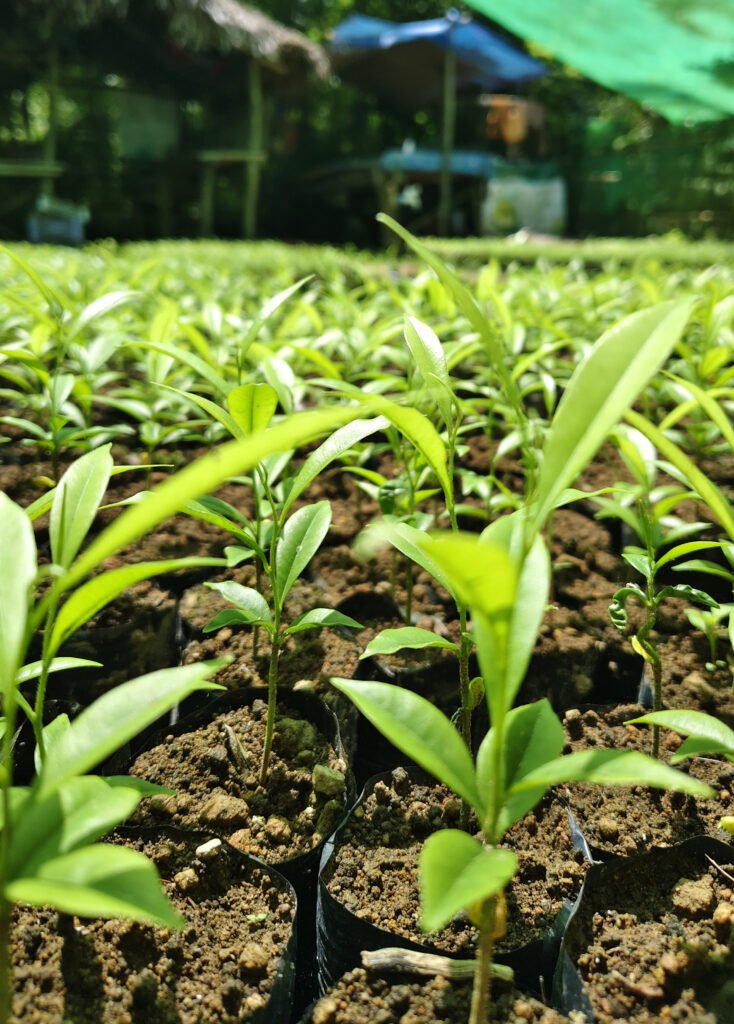
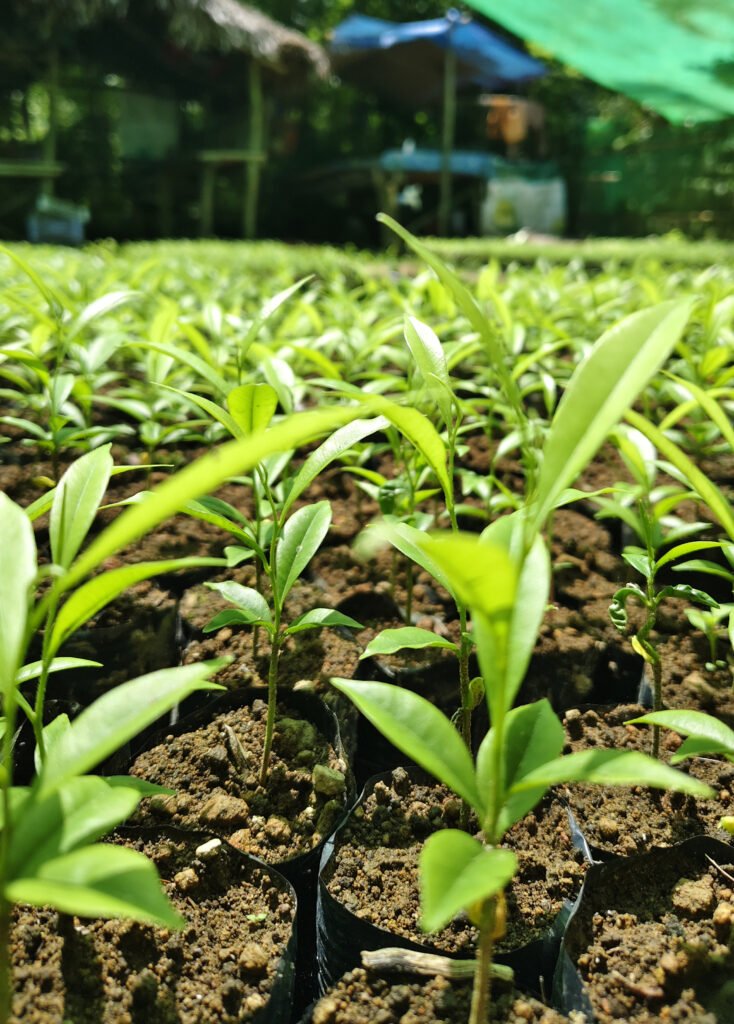
Agarwood seedlings are young Aquilaria trees grown from seeds and carefully raised in a nursery until they are ready for planting. They are commonly cultivated under controlled or protected conditions during their early development, allowing them to establish healthy roots and new growth before being transferred to a plantation or suitable growing area.
For people interested in agarwood cultivation, choosing healthy seedlings is an important first step. Strong, well-maintained seedlings can provide a good starting point for establishing an Aquilaria plantation when combined with proper site preparation, planting, and long-term care.
How Are Agarwood Seedlings Grown?
Agarwood seedlings typically begin their growth in a nursery environment where they can receive appropriate water, light, nutrients, and protection. During this stage, nursery growers monitor the seedlings to encourage healthy root and stem development.
The length of the nursery period can vary depending on the Aquilaria species, growing conditions, and nursery practices. Once the seedlings have reached an appropriate size and condition, they may be prepared for transfer to their permanent growing location.
Aquilaria Species Used for Agarwood
Several species belong to the Aquilaria genus, which includes trees associated with agarwood production. One species of particular interest is Aquilaria malaccensis, which is cultivated in parts of Asia.
Aquilaria malaccensis seedlings are raised with the goal of establishing healthy trees that can continue growing after they are planted in suitable conditions. When selecting seedlings, growers may consider factors such as species, seedling size, root development, overall health, and nursery management practices.
Why Healthy Seedlings Matter
The quality and condition of seedlings can influence the early establishment of an Aquilaria plantation. Seedlings with healthy root systems and vigorous growth are better prepared to transition from nursery conditions to the field when planted and maintained properly.
However, planting healthy seedlings is only one part of successful agarwood cultivation. Site selection, soil conditions, water management, spacing, weed control, and ongoing maintenance are also important considerations for growers.
Preparing Agarwood Seedlings for Planting
Before transferring seedlings to a plantation, growers should consider whether the selected site provides suitable conditions for Aquilaria trees. The planting area should be prepared according to the requirements of the species and the local environment.
Seedlings may also need to be gradually exposed to conditions that are different from the nursery environment. Proper handling during transportation and planting can help reduce unnecessary stress on young trees.
Aquilaria Malaccensis Seedlings in the Philippines
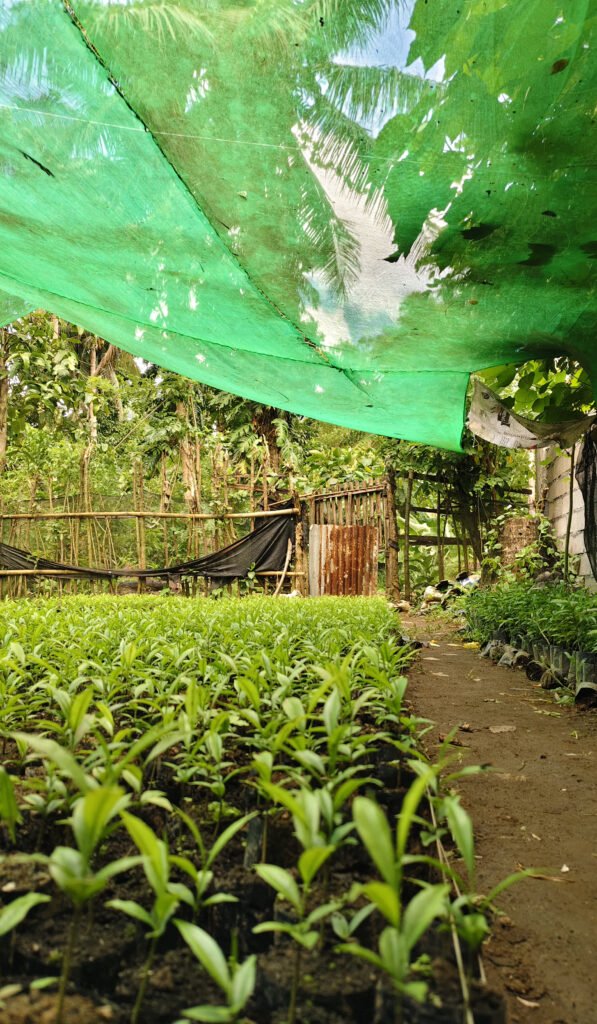
Aquilaria malaccensis is one of the most important agarwood-producing species associated with the Philippines. It is locally known as lapnisan and naturally occurs in several Southeast Asian countries, including the Philippines.
The Philippines is also home to other Aquilaria species. DENR information indicates that nine of the known Aquilaria species occur in the country, with several considered endemic.
Because different species can have different characteristics and conservation requirements, correct identification of seedlings is important when establishing an Aquilaria plantation.
Why Are Agarwood Seedlings Important?
Growing Aquilaria from legally sourced seedlings can provide an alternative to collecting trees or planting materials from the wild.
Wild harvesting has historically placed pressure on Aquilaria populations because people seek the valuable resinous wood inside mature trees. Cultivation allows Aquilaria to be grown under managed conditions while reducing dependence on wild populations.
DENR has recognized propagation as part of a potential sustainable approach to agarwood production, while emphasizing that the activity is highly regulated.
Legal Requirements for Agarwood Seedlings
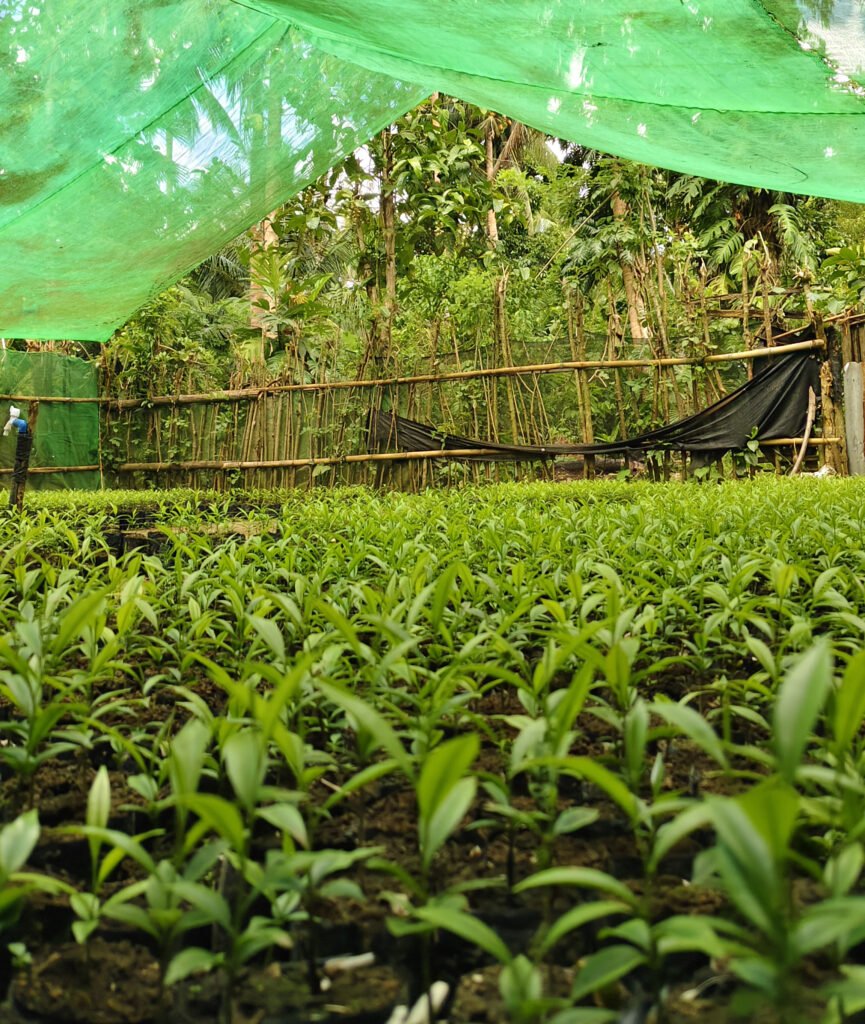
In the Philippines, obtaining and propagating Aquilaria seedlings is subject to regulations. DENR has specifically stated that collecting seeds and seedlings of Aquilaria malaccensis from the wild for commercial or trade purposes is not allowed without the necessary authorization.
People interested in propagating the species may need to obtain a Wildlife Culture Permit from the appropriate DENR Regional Office. DENR also emphasizes that planting materials must come from legal sources. Transportation of legally acquired seedlings and other Aquilaria materials may require appropriate documentation, including a Local Transport Permit.
These requirements are important because Aquilaria is a regulated and conservation-sensitive resource.
Frequently Asked Questions About Agarwood Philippines
What are agarwood seedlings?
What is the most important agarwood species in the Philippines?
Aquilaria malaccensis, locally known as lapnisan, is one of the important agarwood-producing species associated with the Philippines.
Can agarwood seedlings be planted in the Philippines?
Yes, Aquilaria can be propagated and cultivated in the Philippines, but the activity is highly regulated and requires compliance with applicable DENR requirements.
Can I collect agarwood seedlings from the wild?
Wild collection of Aquilaria malaccensis seeds and seedlings for commercial or trade purposes is restricted. Proper authorization and permits are required where applicable.
Why are healthy seedlings important?
Healthy seedlings provide a stronger foundation for plantation establishment and can improve the chances of successful tree establishment after transplanting.
Hi, I'm Ronnel
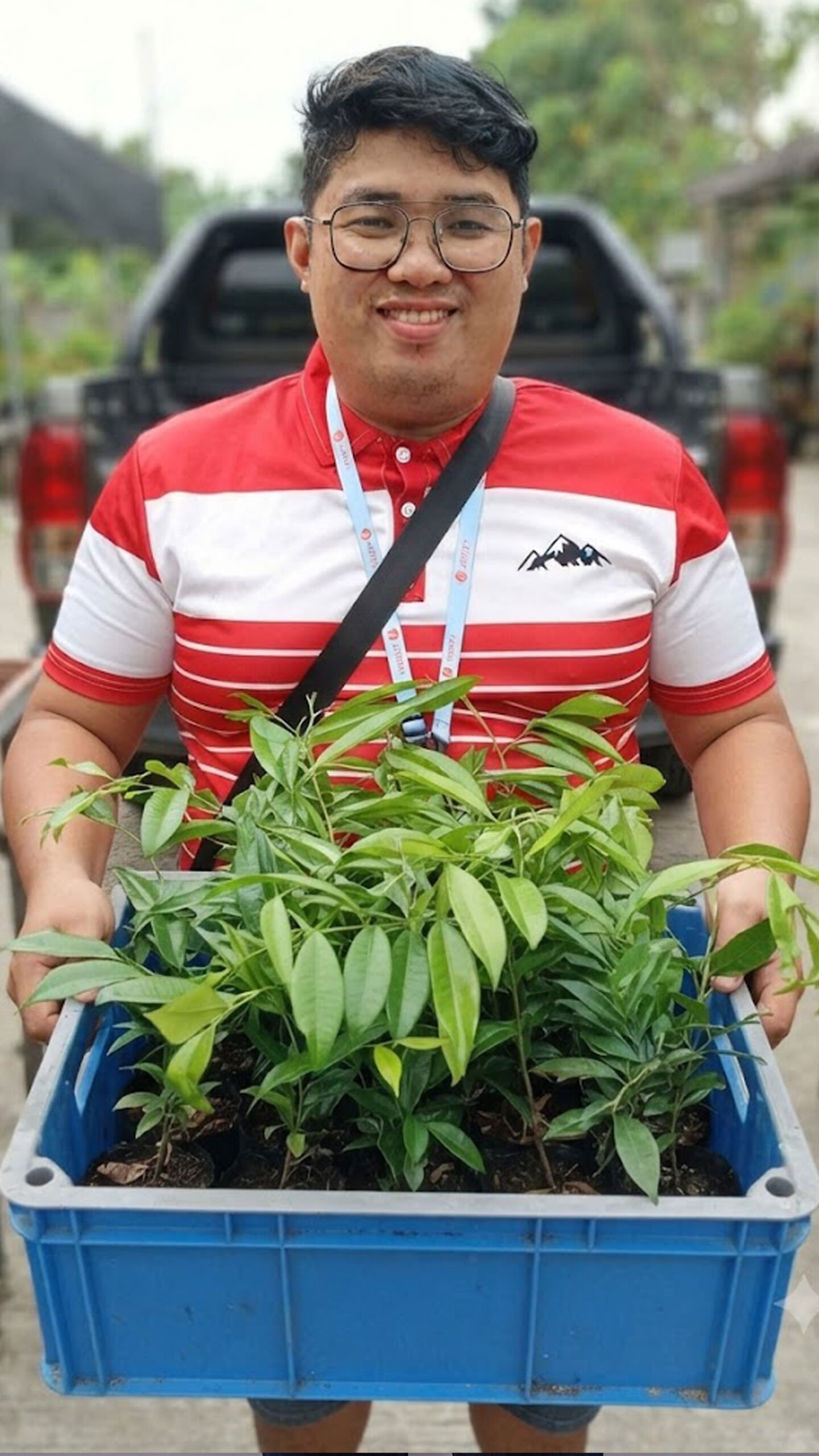
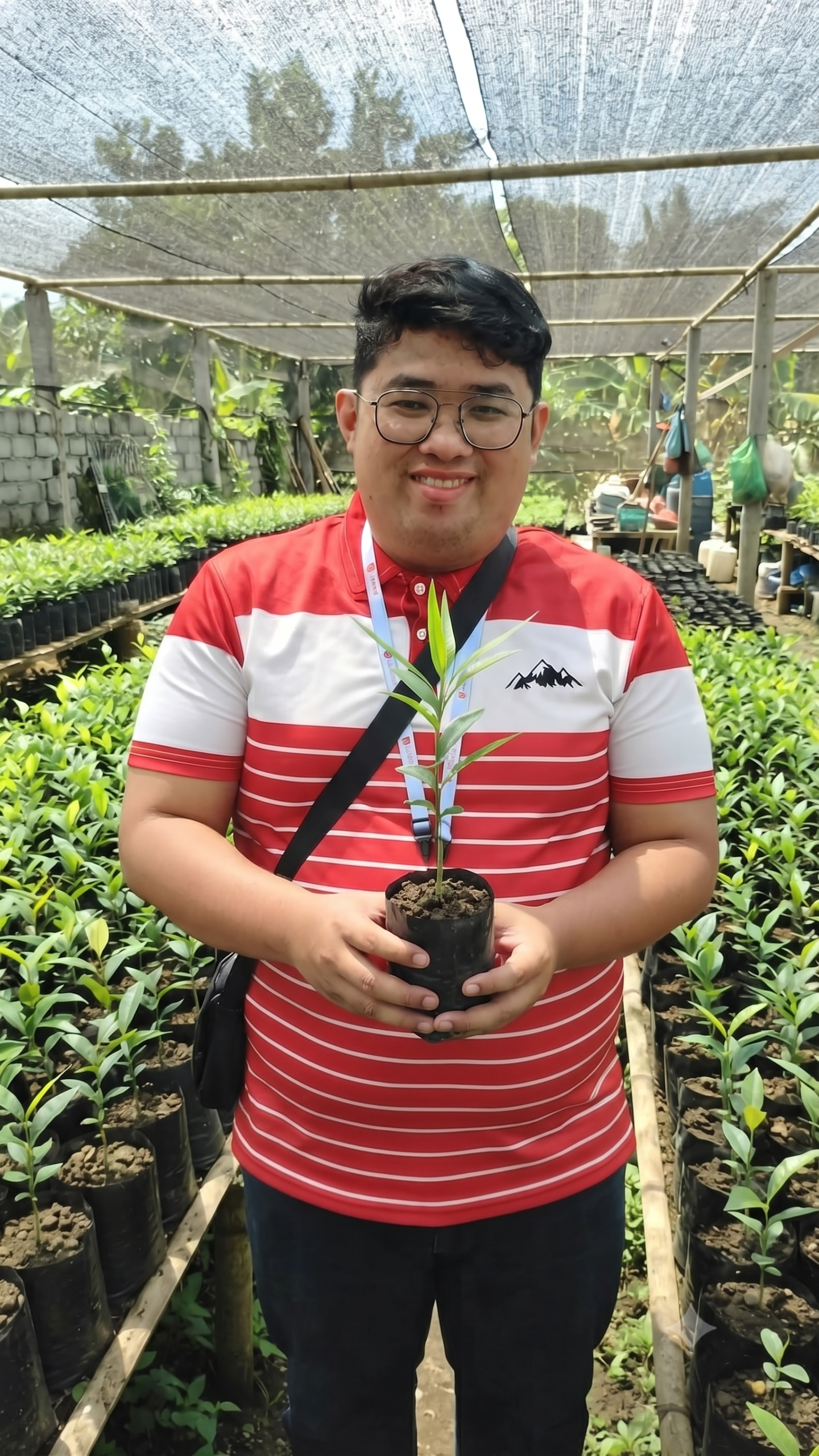
I’m passionate about helping Filipinos build a profitable future through Lapnisan (Agarwood) farming.
I don’t just sell seedlings—I help people make smart, long-term investments.
That’s why I carefully select high-quality Lapnisan seedlings with strong genetics and healthy root systems, giving every grower the best possible start.
I believe success begins with the right foundation.
Whether you’re planting a few trees or developing a larger plantation.
I’m committed to providing premium seedlings, honest advice, and ongoing support throughout your journey.
Grow Green
Bring home Malaccensis seedlings and watch your investment thrive naturally.