
If you are looking for agarwood seedlings for sale in the Philippines, it is important to understand the plant, its growing requirements, and the considerations involved in establishing an agarwood plantation. Agarwood, commonly known in the Philippines as lapnisan, comes from trees belonging to the Aquilaria genus. One of the recognized species associated with agarwood production is Aquilaria malaccensis.
Agarwood is known for its valuable aromatic resin, which has been used for centuries in incense, perfumes, traditional practices, and specialty products. Because mature agarwood-producing trees can take years to develop, starting with healthy seedlings is an important first step for people planning long-term cultivation.
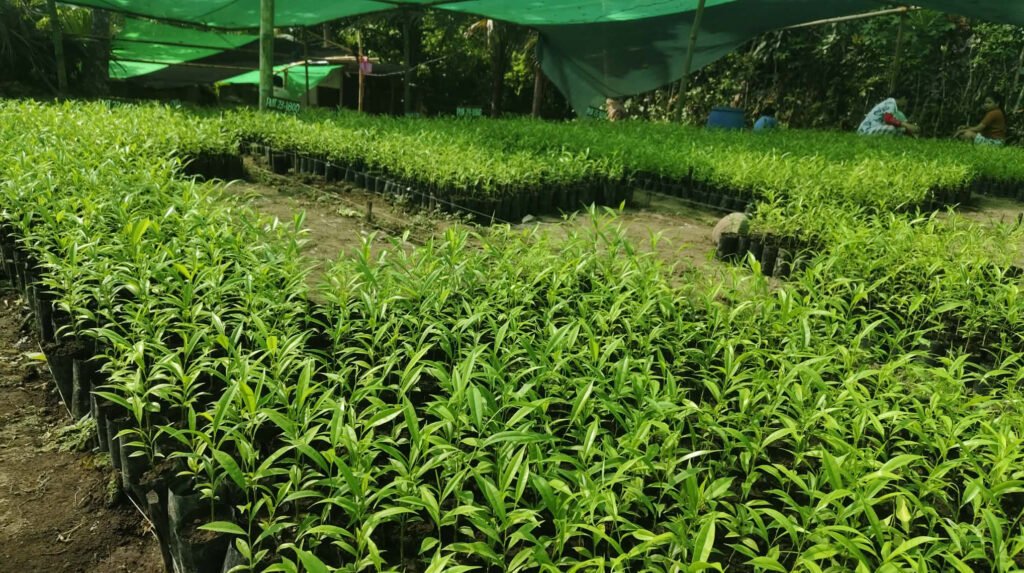
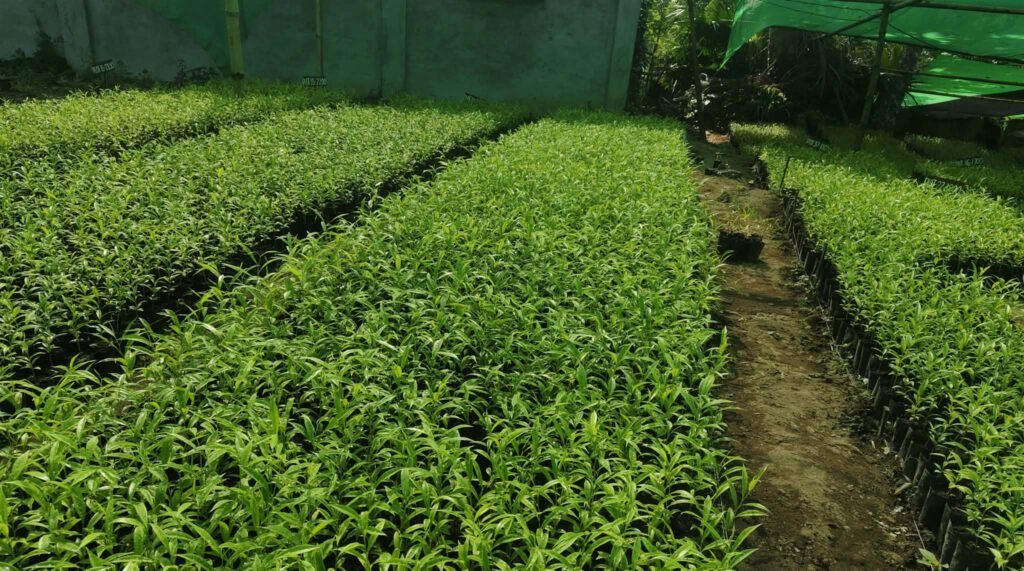
What Are Agarwood Seedlings?
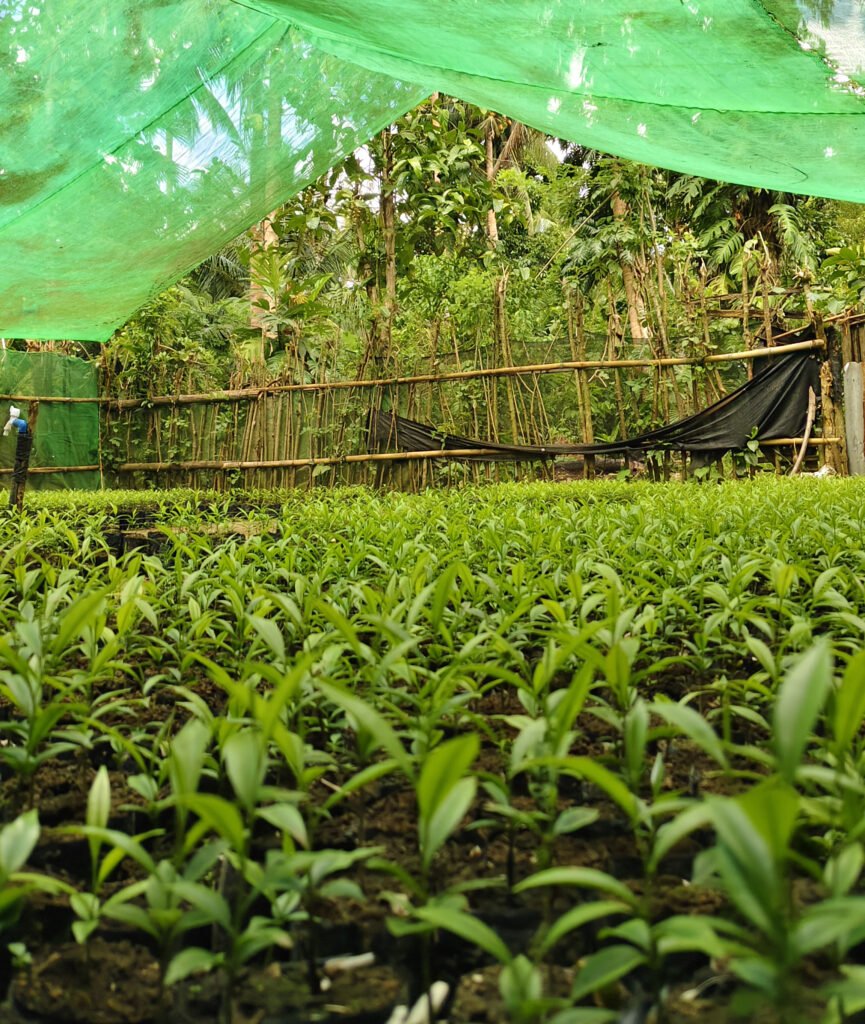
Agarwood seedlings are young Aquilaria trees raised in nurseries before being transferred to a permanent growing location. Healthy seedlings can be established in suitable soil and climate conditions and eventually develop into mature agarwood trees.
In the Philippines, agarwood is also widely associated with the name lapnisan. When searching online for agarwood seedlings, you may therefore encounter terms such as:
- Agarwood seedlings Philippines
- Lapnisan seedlings
- Aquilaria seedlings
- Aquilaria malaccensis seedlings
- Lapnisan plants for planting
- Agarwood trees for planting
These terms can refer to young Aquilaria plants intended for cultivation.
Why Choose Healthy Agarwood Seedlings?
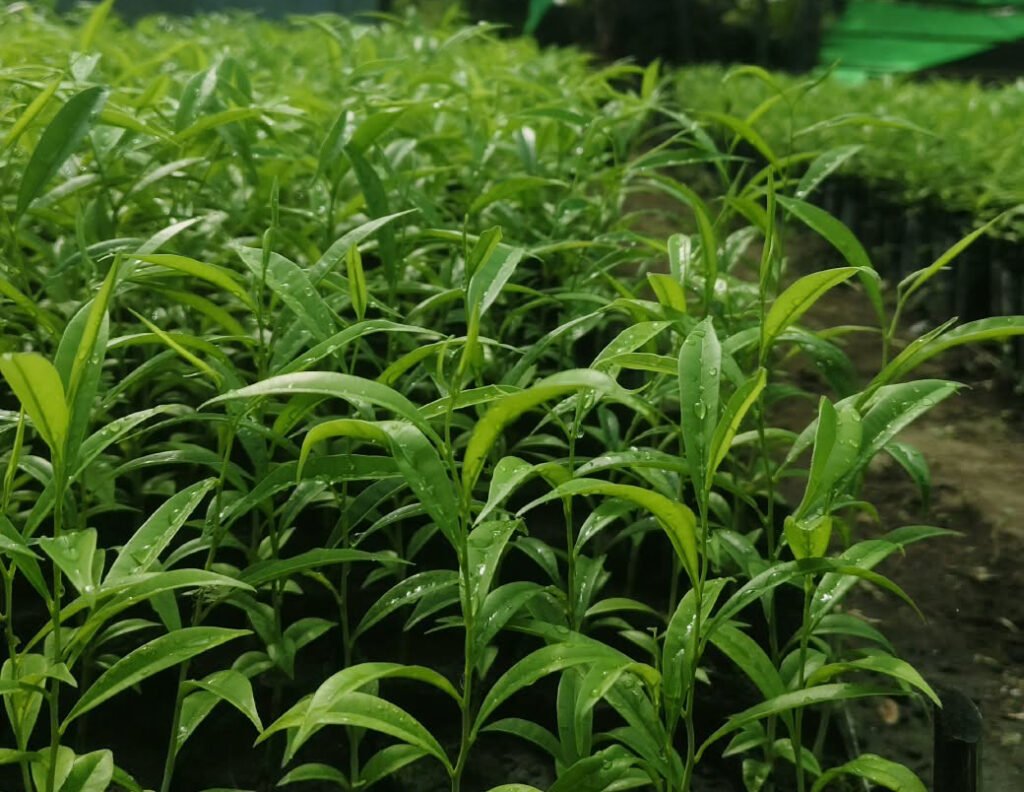
Starting with healthy seedlings can make the establishment of an agarwood plantation more manageable. Seedling quality can influence early plant development, especially during the period when young trees are adapting to their new environment.
Characteristics of Healthy Agarwood Seedlings
When looking for agarwood seedlings for sale, consider seedlings that have:
- Healthy green leaves
- Strong and developing stems
- A well-established root system
- No obvious signs of pests or disease
- Proper nursery care
- Appropriate size for transportation and planting
- Good overall vigor
Seedlings should also be handled carefully during transportation because young plants can be sensitive to excessive heat, dehydration, and physical damage.
Choosing the Right Aquilaria Species
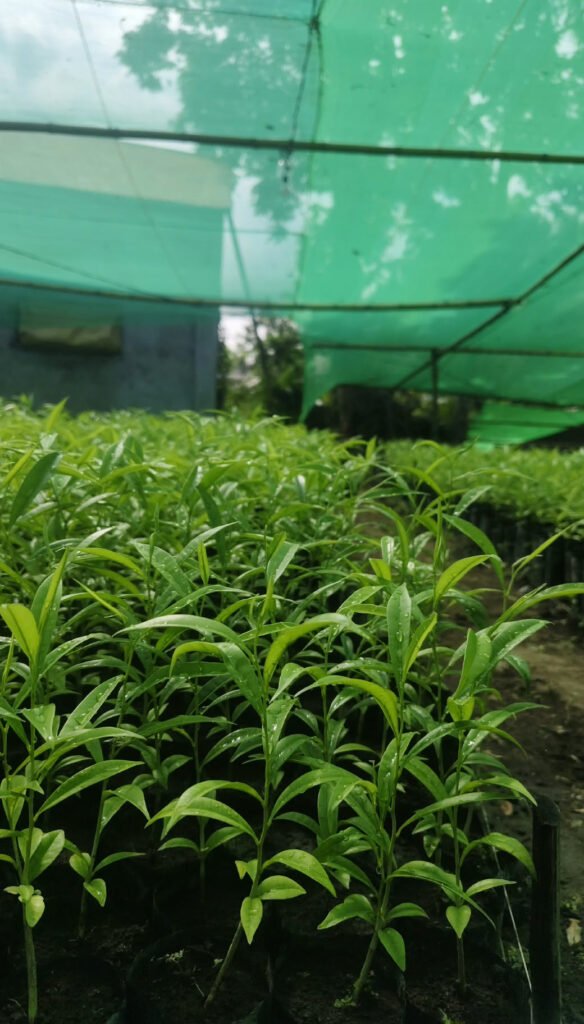
Different Aquilaria species are associated with agarwood production. If your objective is to establish an agarwood plantation, it is important to identify the species of seedlings you are purchasing.
Aquilaria malaccensis is one species associated with agarwood and is particularly relevant to cultivation discussions in Southeast Asia.
Where Can Agarwood Be Grown?
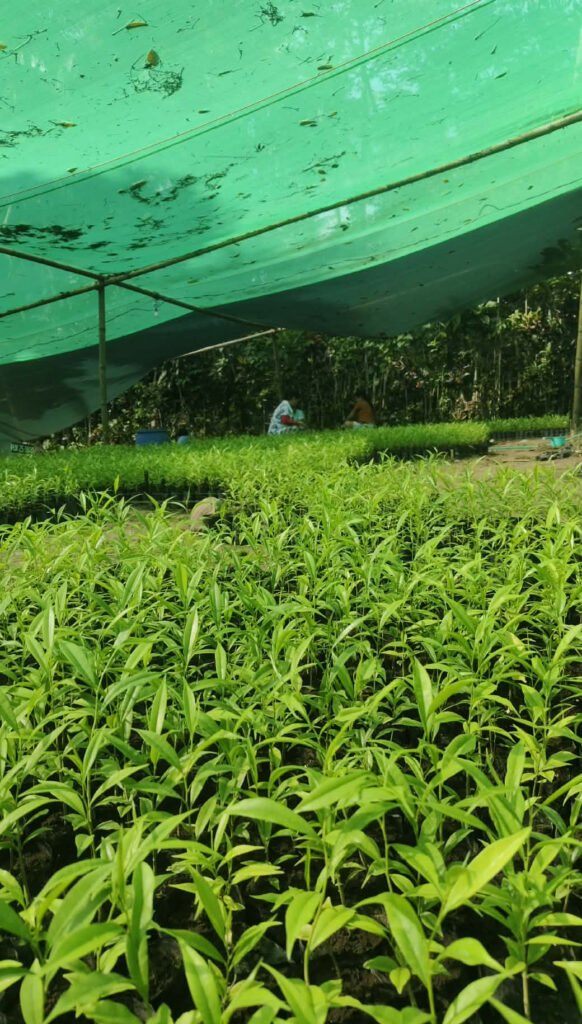
Agarwood seedlings can be planted in different parts of the Philippines, provided that the environmental conditions are suitable for the species.
Before planting, growers should consider:
Soil
The planting area should have soil that can support healthy root development and does not remain excessively waterlogged.
Water
Young seedlings require adequate moisture, particularly while becoming established. However, excessive standing water can create problems for plant roots.
Sunlight
A suitable amount of sunlight helps young agarwood trees develop properly. The specific requirements can vary depending on the growing environment and management practices.
Space
A plantation should provide sufficient space for trees to grow and should allow growers to access the plants for maintenance.
Frequently Asked Questions About Agarwood Seedlings for Sale
Where can I buy agarwood seedlings in the Philippines?
Agarwood seedlings can be sourced from nurseries and growers that propagate Aquilaria species. Buyers should verify the species, seedling condition, source, and applicable documentation before purchasing.
What are agarwood seedlings called in the Philippines?
Agarwood is commonly associated with the name lapnisan in the Philippines. Therefore, searches for lapnisan seedlings may also refer to agarwood or Aquilaria seedlings.
What species are used for agarwood cultivation?
Several Aquilaria species are associated with agarwood. Aquilaria malaccensis is one of the species associated with agarwood production and cultivation.
How long does it take for agarwood seedlings to grow?
Agarwood trees are long-term crops. Growth rate depends on the species, climate, soil, planting conditions, and management practices. Growing a tree to maturity requires years of proper care.
Can agarwood seedlings be planted anywhere in the Philippines?
Not necessarily. The suitability of a location depends on environmental conditions such as rainfall, soil, drainage, temperature, sunlight, and other factors. Local growing conditions should be evaluated before establishing a plantation.
How should agarwood seedlings be transported?
Young seedlings should be transported in a way that protects their roots, stems, and foliage from excessive heat, dehydration, and physical damage. The appropriate method depends on the quantity, distance, weather, and transportation provider.
What should I check before buying agarwood seedlings?
Check the seedling’s species, overall health, size, root condition, nursery source, transportation arrangements, and applicable permits or documentation.
Is agarwood the same as lapnisan?
The term lapnisan is commonly used in the Philippines in connection with agarwood and Aquilaria. The exact terminology can vary by region and context.
Hi, I'm Ronnel
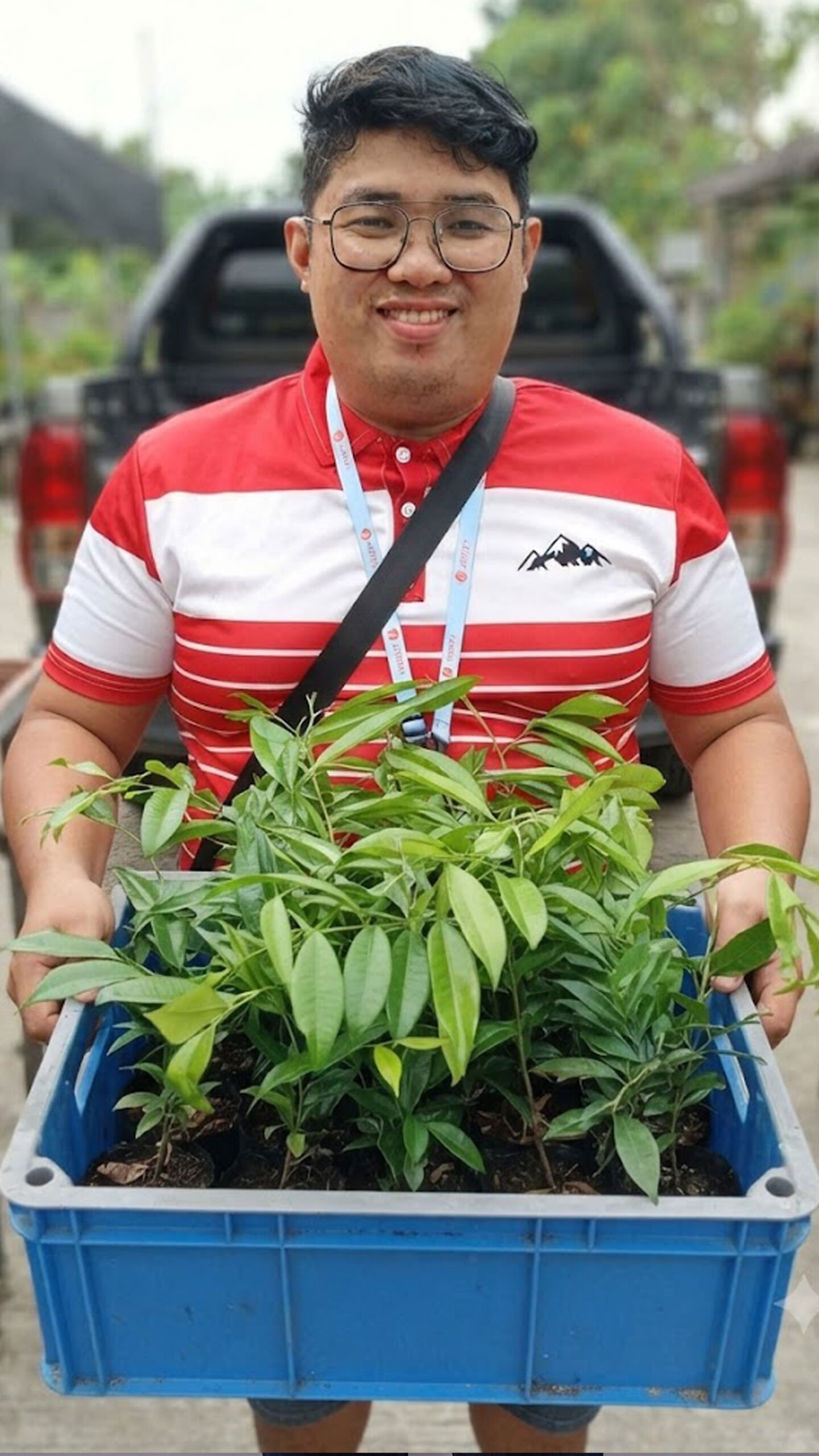
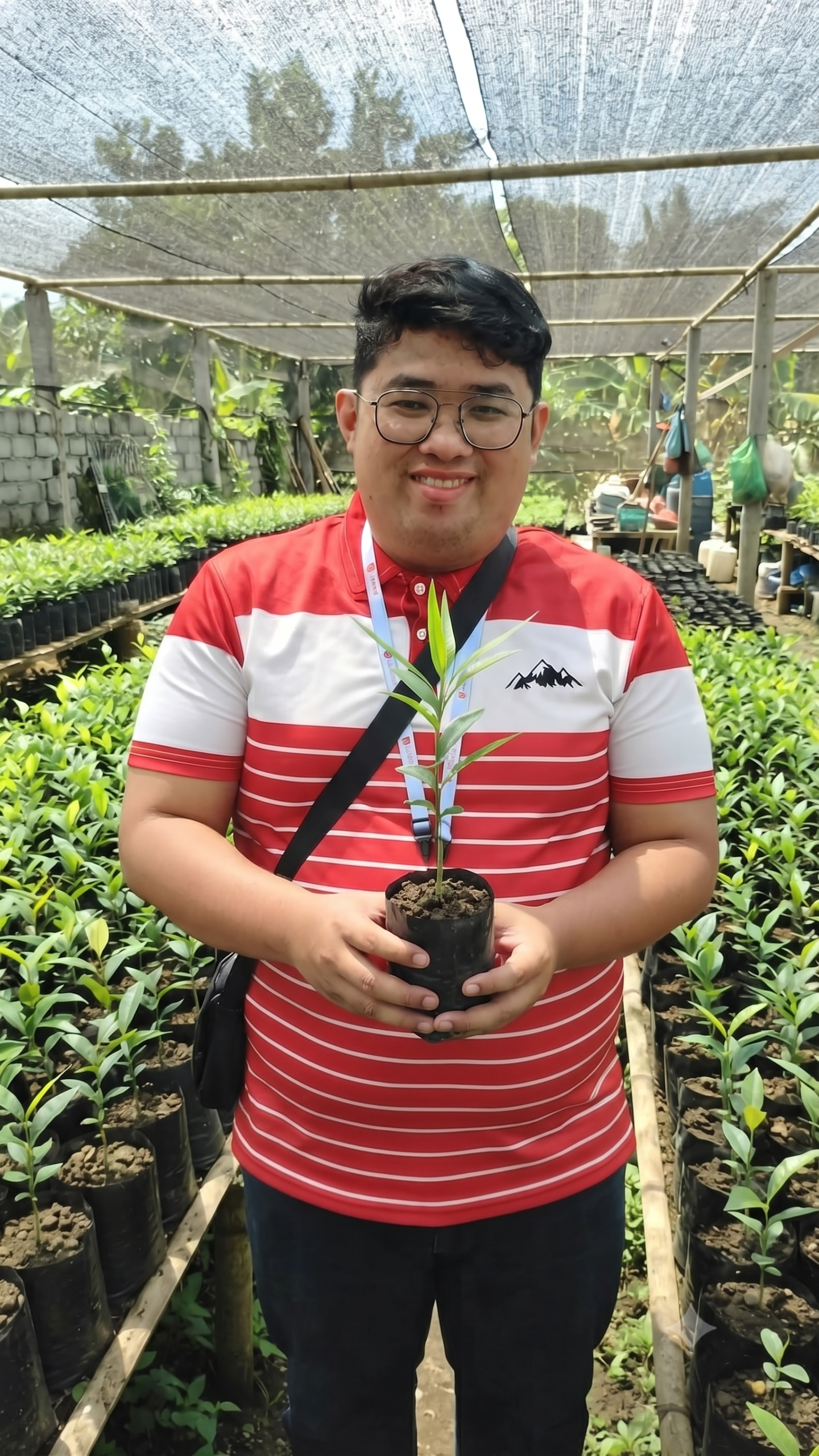
I’m passionate about helping Filipinos build a profitable future through Lapnisan (Agarwood) farming.
I don’t just sell seedlings—I help people make smart, long-term investments.
That’s why I carefully select high-quality Lapnisan seedlings with strong genetics and healthy root systems, giving every grower the best possible start.
I believe success begins with the right foundation.
Whether you’re planting a few trees or developing a larger plantation.
I’m committed to providing premium seedlings, honest advice, and ongoing support throughout your journey.
Grow Green
Bring home Malaccensis seedlings and watch your investment thrive naturally.